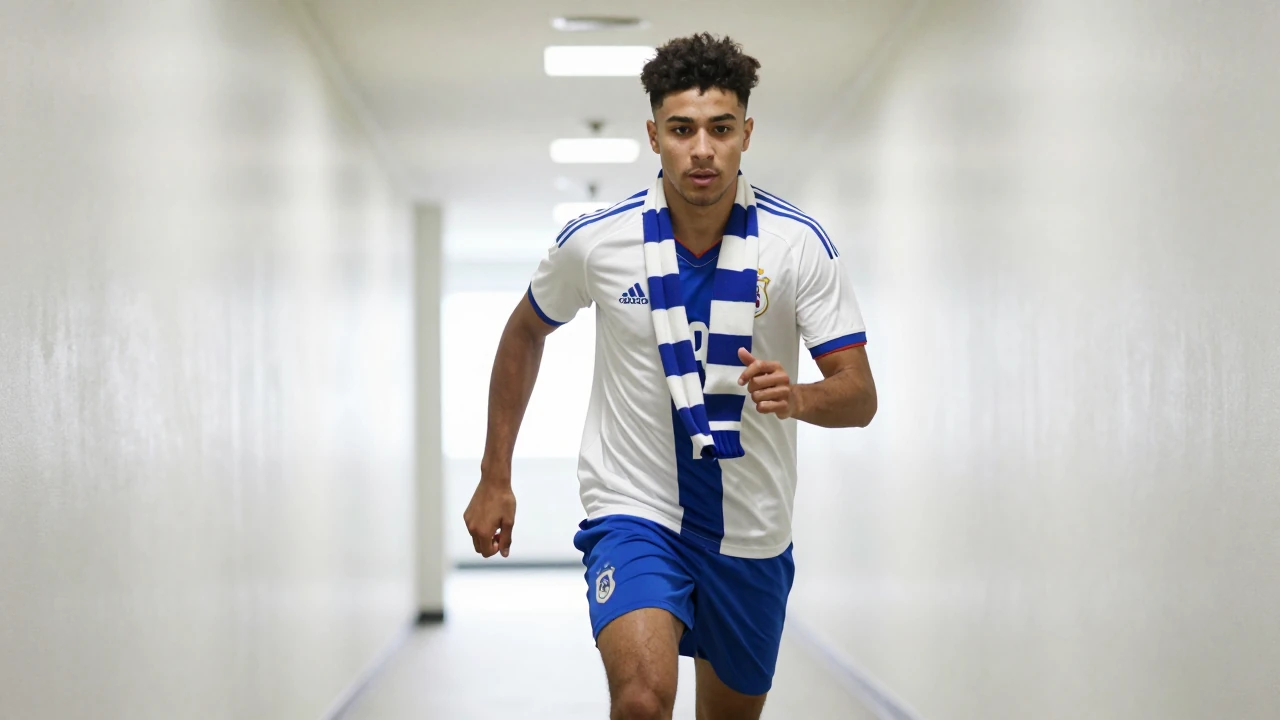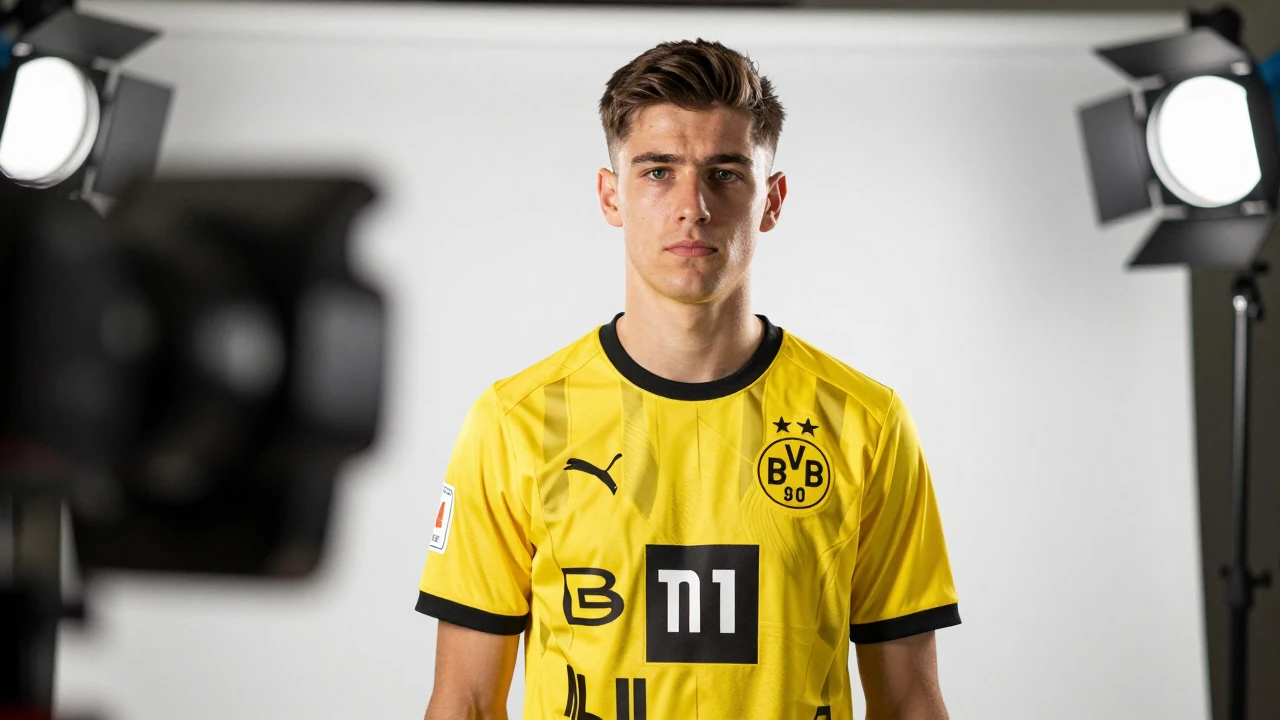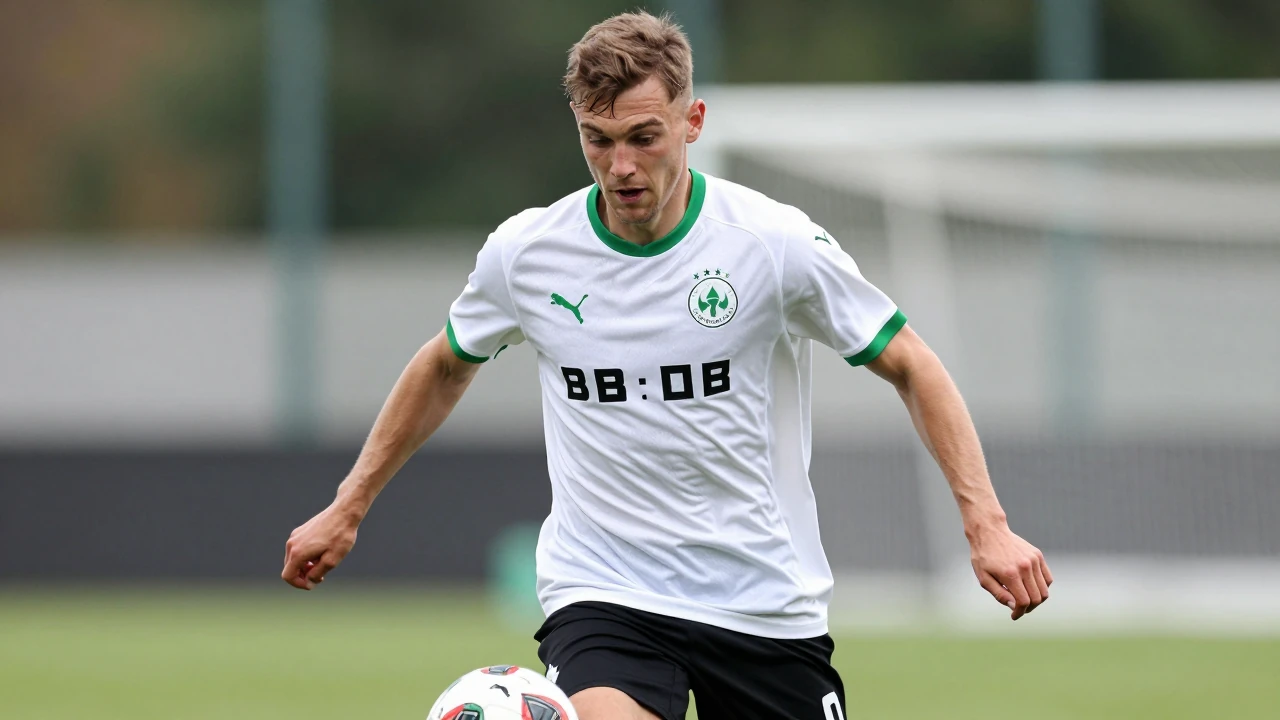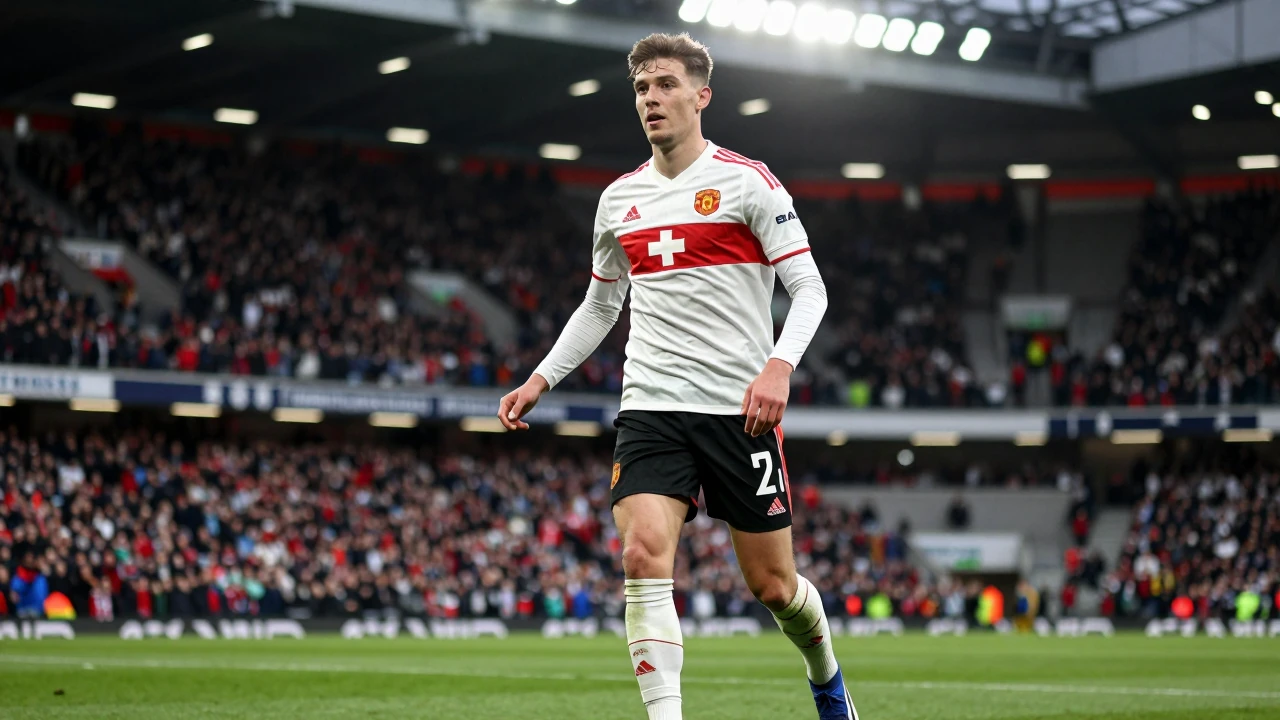

In recent weeks, Borussia Mönchengladbach has shown a noticeable improvement in team performance, particularly in defense. However, the main focus remains on the attack, which often stalls at crucial moments. The Fohlen urgently need to work on their efficiency to fully exploit the potential of their talented attackers.
One of the main weaknesses that has become apparent in recent matches is the lack of punch in the final third. Attacks often become too predictable, making it easier for opposing defenses to set up and close down spaces. Here, a switch from a classic 4-2-3-1 to a 4-3-3 system could be beneficial. This formation would allow wingers to push more dynamically into the attack, exerting more pressure on opposing defensive lines.
Additionally, increased utilization of wide players could be crucial. Players like Jonas Hofmann and Alassane Pléa are known for their speed and technique. By employing quick, targeted crosses and high balls into the box, the team could force opposing defenses to open up, creating space for central attackers like Marcus Thuram.
Another tactical adjustment could be increasing mobility in midfield. A central midfielder should be able to operate between the lines, making impacts both defensively and offensively. Players like Christoph Kramer could play a key role in this position, accelerating the transition between defense and attack. The combination of precise passing and direct play could set the Fohlen rolling and increase pressure on the opposition.
In conclusion, it is crucial for Borussia Mönchengladbach to remain stable in defense while also being bold in attack. With some tactical adjustments, particularly in system and width usage, the Fohlen can significantly enhance their offensive strength and collect the points needed in the Bundesliga to realize their ambitions.