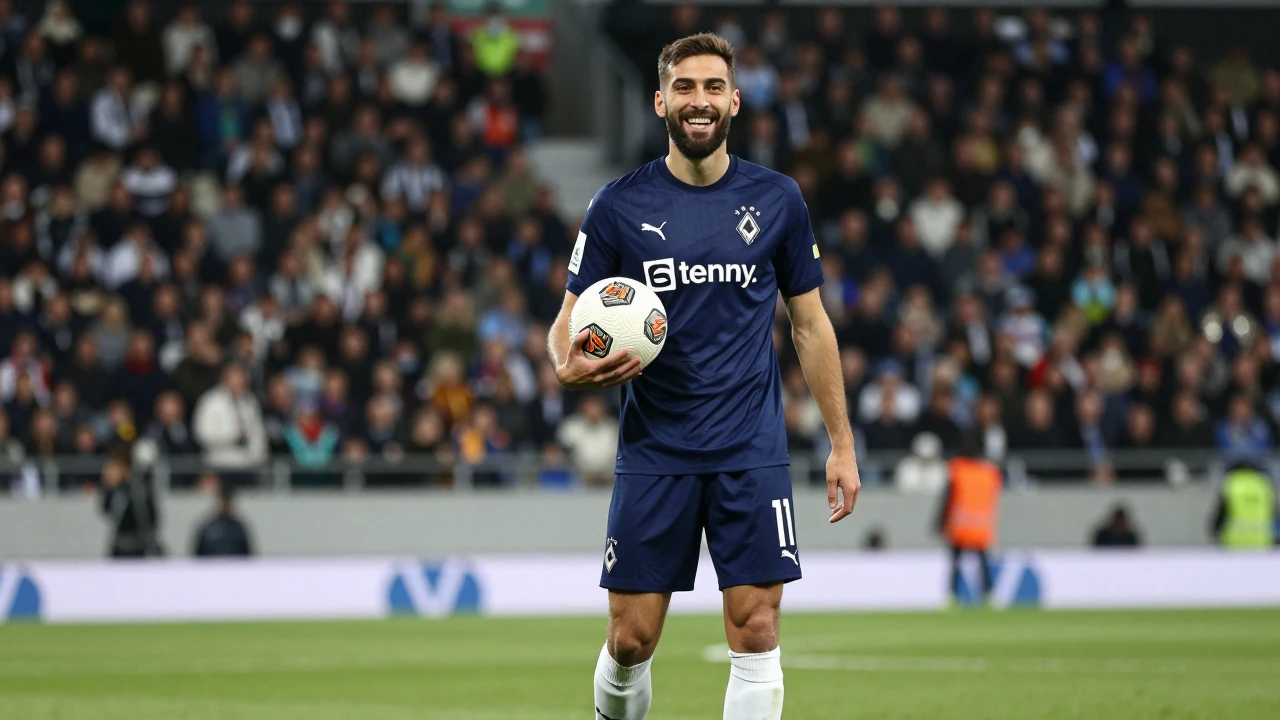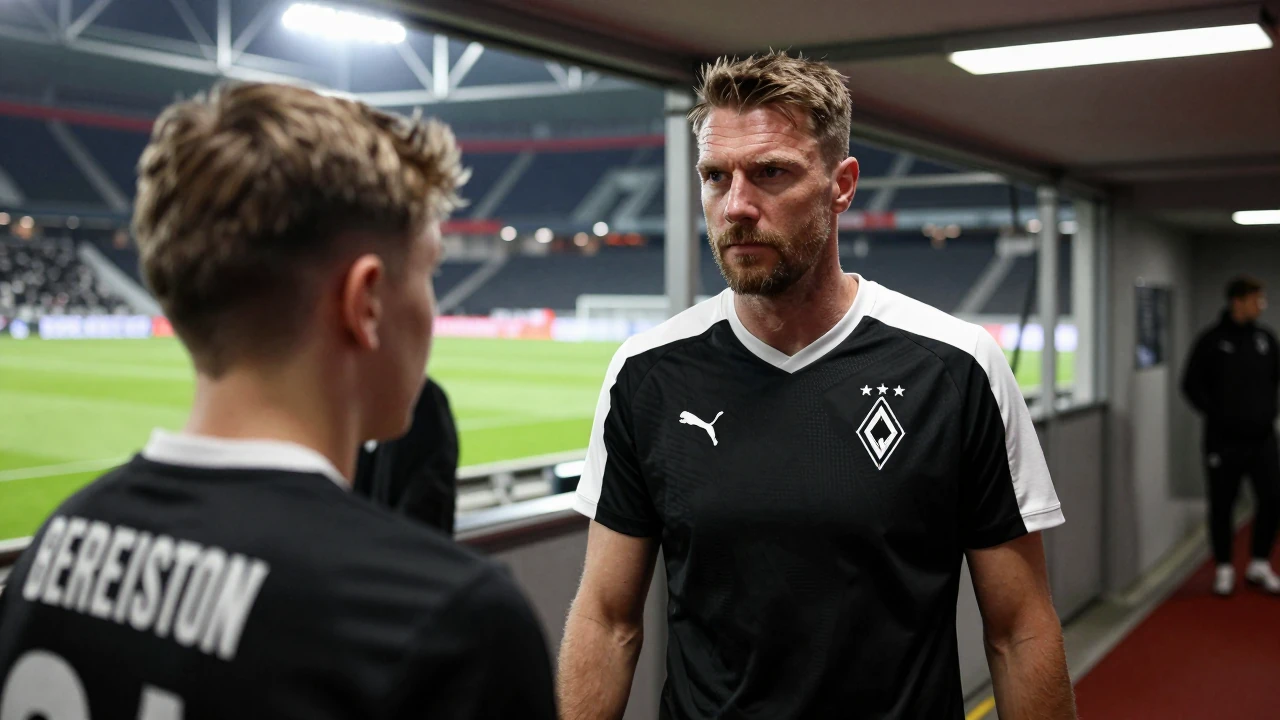

Gladbach bolsters defence with Jan Leszczynski
Borussia Mönchengladbach has signed 19‑year‑old centre‑back Jan Leszczynski from Legia Warsaw. The Polish youth international signed until 30 June 2030 and is expected to strengthen the defensive line for roughly €3 million. Gladbach currently sits 12th in the Bundesliga with 38 points, 9 wins, 11 draws and 14 losses, having scored 42 goals and conceded 53 – a goal difference of minus eleven. The club is therefore 51 points behind leaders Bayern Munich.
Who is Jan Leszczynski?
Jan Leszczynski, born in 2007, made his debut in the Polish Ekstraklasa in February this year. Despite his age, he is already described as a talented centre‑back with great potential. Sporting director Rouven Schröder praised his "very exciting profile" and stressed that Leszczynski could shape Gladbach's defensive core for years to come. The transfer follows the sale of Rocco Reitz for about €20 million, whose proceeds have already been reinvested.
Why is this transfer important for Gladbach?
After a disappointing previous season, Schröder aims to reshape the squad. Defence was a clear weakness – 53 goals conceded underline that. Leszczynski is expected to bring more stability to the back line while adding youthful dynamism. A contract until 2030 gives the club planning security, and the €3 million price tag is considered a good value.
What does this mean for the upcoming season?
Gladbach needs to collect points in the coming weeks to avoid relegation. Leszczynski could feature in the first competitive matches, having already gained Bundesliga experience in February. If he integrates quickly, he may become a regular starter and help the team reduce the eleven‑goal deficit. The signing also signals that Gladbach continues to rely on young talent to stay competitive.
How does the financial picture look?
The €3 million outlay is modest compared with the revenue from the Reitz deal, representing a targeted investment. Schröder's strategy of reinvesting sales proceeds into promising players aims to raise squad quality without straining the balance sheet. The club thus remains within its financial limits while pushing forward on the sporting front.