A Look into Borussia Mönchengladbach's History
Borussia Mönchengladbach, also known as Die Fohlen, has embarked on a remarkable journey in the world of football since its promotion to the Bundesliga in 1965. The club has established itself not only as one of the most successful teams in Germany but also as a symbol of pride and passion for the city of Mönchengladbach. With a total of five national championships, three DFB-Pokal victories, and two UEFA Cup wins, the club boasts an impressive track record.
The 1970s were particularly formative for the Fohlen. Under the guidance of coach Hermann Gerland, the team witnessed a golden era, capturing the hearts of many fans with their attractive attacking football. Legends like Jupp Heynckes and Berti Vogts are inseparably linked to this successful period, and their performances have secured the club's place in the annals of German football history.
Current Season and Challenges
In the current Bundesliga season, Borussia Mönchengladbach faces several challenges. Following a shaky start and changes in the coaching staff, the team is in search of stability and consistency. Currently positioned in the upper third of the table, the gaps to the lower positions are narrow, adding additional pressure.
Injuries to key players such as Jonas Hofmann and Marcus Thuram have further strained the squad. Coach Daniel Farke is tasked with assembling a robust team that is defensively sound and offensively dangerous. A glance at recent matches reveals that the defense has often been vulnerable, while the attack has lacked creativity and incisiveness.
Tactical Analysis of the Fohlen
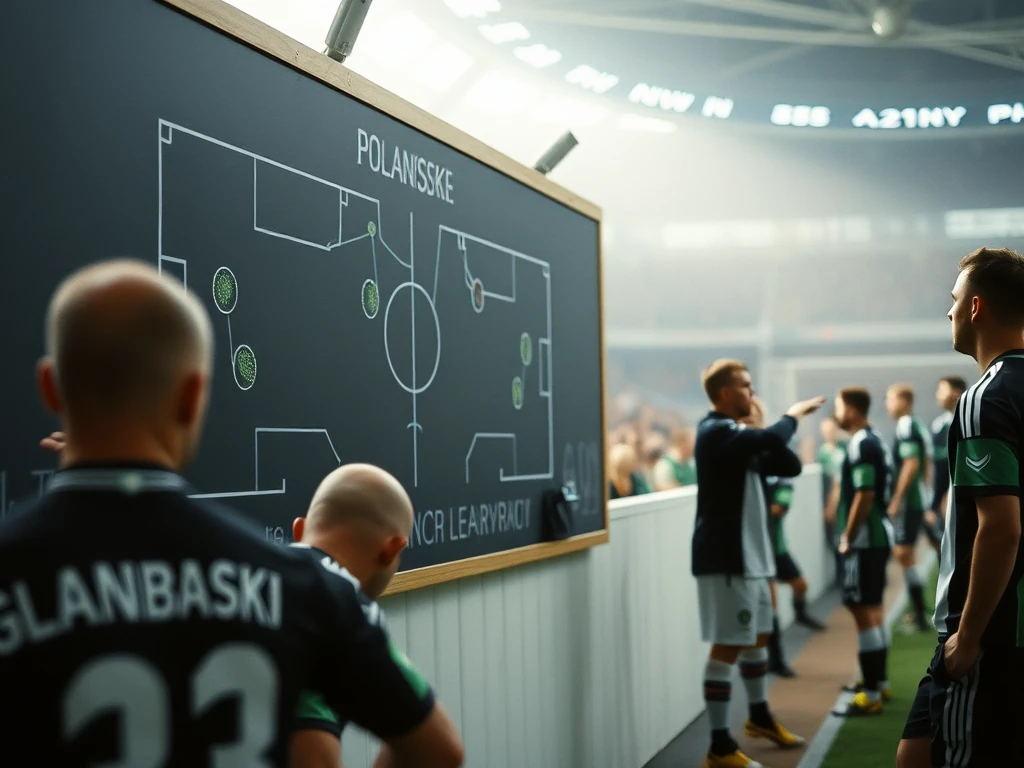
Borussia Mönchengladbach's tactical setup under Farke is characterized by a flexible 4-3-3 formation. This setup allows the team to maintain strong defensive organization while quickly transitioning into attack. Farke emphasizes fast, vertical play, where the wingers frequently cut inside to create space for overlapping full-backs.
A pivotal aspect of the strategy is Florian Neuhaus's role in central midfield. He acts as a link between defense and attack and is crucial for build-up play. His ability to distribute the ball and initiate attacks could be key to the team's success in upcoming matches.
Strengths and Weaknesses
- Strengths:
- Flexible 4-3-3 system
- Quick transition play
- Creativity from players like Neuhaus
- Weaknesses:
- Injury susceptibility of key players
- Vulnerable defense at set pieces
- Lack of cutting edge in attack
Fan Reactions and Outlook
The fans of Borussia Mönchengladbach are known for their passion and loyalty. However, this season has seen some unrest among the fanbase. High expectations for the team, coupled with disappointing results, have led to critical voices. Fans are calling for a clear improvement in playing style and more consistency in performances.
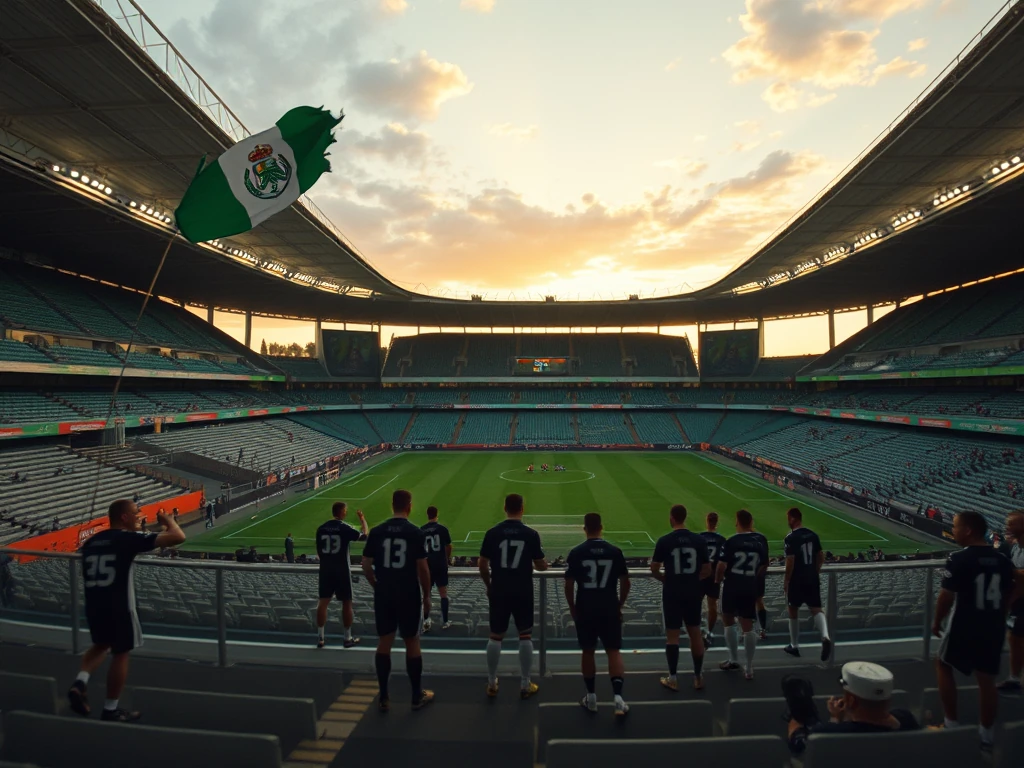
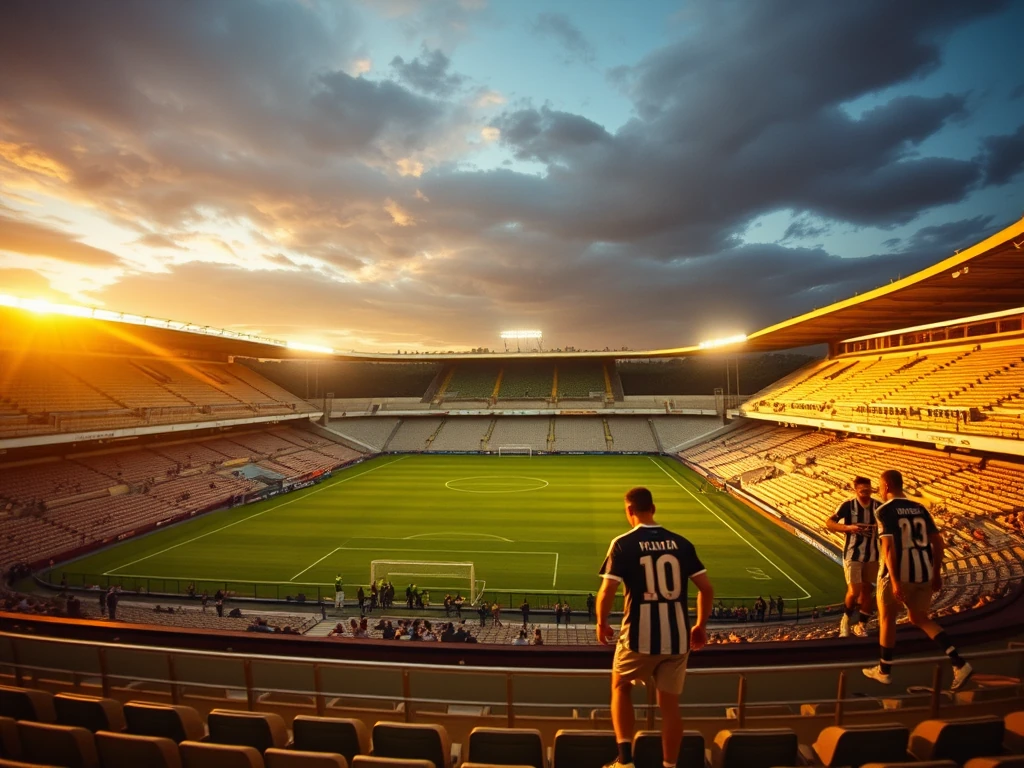
The atmosphere in the stadium, known as Borussia-Park, remains predominantly positive, though. The support from the fans is crucial, especially during tough times. Supporters are hopeful for a turnaround that leads the team into the upper half of the table and keeps the fight for European spots alive.
What's Next?
The upcoming matches present a significant challenge for Borussia Mönchengladbach. With crucial clashes against direct relegation rivals and teams from the upper table, it will be vital to see if the squad can turn things around. A return to form is essential to avoid being drawn into a relegation battle.
Fans firmly believe that with the right mindset and tactics, Die Fohlen can secure the necessary points. A strong showing in the coming weeks could be the key to a successful season and lay the groundwork for a return to the upper echelons of the Bundesliga.